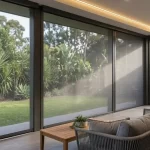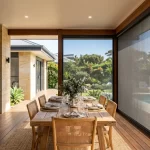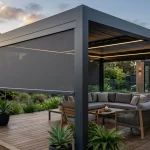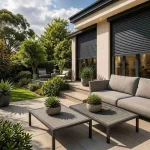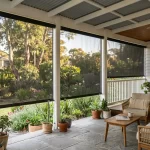
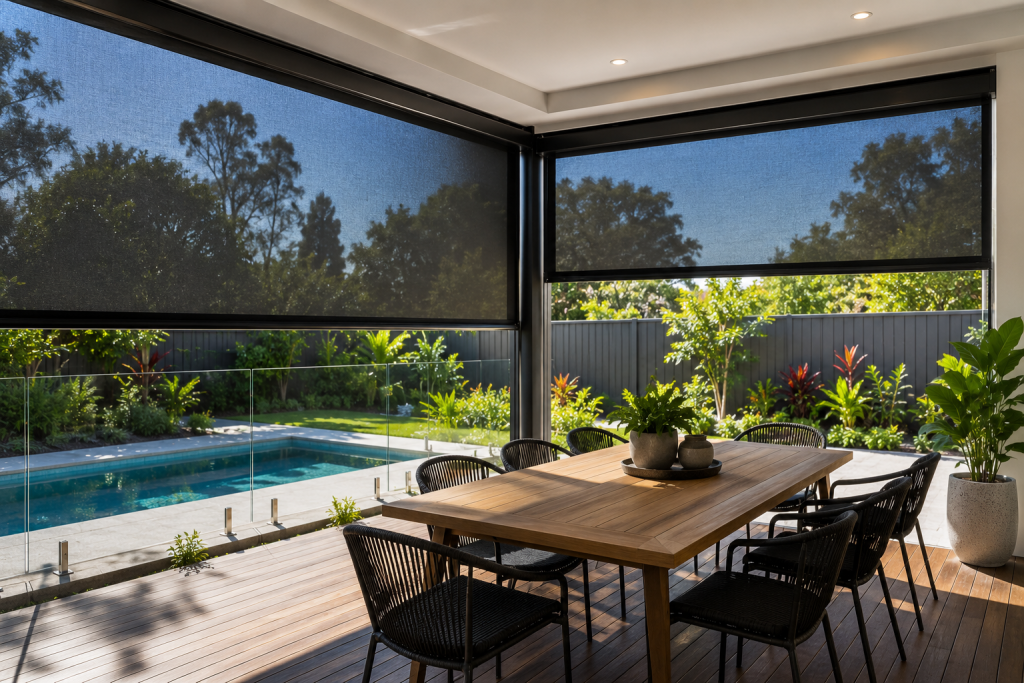
Outdoor blinds are practical window and patio coverings designed to provide shade, privacy and protection from outdoor conditions. Unlike indoor blinds, outdoor blinds are installed on the exterior of a home or building to help control sunlight, wind, heat and glare before they reach an outdoor living area or internal space.
They are commonly used on patios, alfresco areas, balconies, verandas, pergolas and outdoor entertaining spaces. Depending on the design and material, outdoor blinds can also help create a more comfortable and usable outdoor area throughout the year.
But how exactly do outdoor blinds work, and what makes them different from other types of outdoor shading?
What Are Outdoor Blinds?
Outdoor blinds are retractable or fixed screening systems installed around the outside of windows, patios and other exposed areas. They typically consist of a durable blind fabric or screen, a roller mechanism, side guides or tracks, and an operating system.
When lowered, the blind creates a barrier between the outdoor area and external conditions. Depending on the fabric and design, this barrier can reduce direct sunlight, glare, wind exposure and visibility.
When the blind is raised, the area is opened up again, allowing more natural light, airflow and an unobstructed view.
Outdoor blinds are available in different fabrics, colours, levels of openness and operating systems, making them suitable for everything from small residential patios to larger alfresco and commercial spaces.
How Do Outdoor Blinds Work?
The basic principle is simple: outdoor blinds create a controllable layer between your living space and the external environment.
A typical roller outdoor blind operates by winding the fabric around a horizontal roller tube. The blind can be lowered when shade, privacy or weather protection is required and raised when the area needs to be opened up.
Depending on the system, outdoor blinds can be operated manually or with a motorised control.
1. The blind blocks or filters sunlight
Outdoor blinds can reduce the amount of direct sunlight entering an outdoor area. Screening fabrics can filter sunlight while still allowing some natural light through.
This can help reduce glare and make patios, verandas and alfresco areas more comfortable during sunny periods.
2. The fabric provides a protective barrier
The blind fabric acts as a physical screen between the outdoor living area and conditions such as wind, sunlight and light rain.
The level of protection depends on the fabric, installation method and specific blind system.
3. The blind can be raised or lowered
Because many outdoor blinds are retractable, you can control how much coverage you need.
For example, you might lower the blinds during the hottest part of the afternoon and raise them later when the temperature becomes more comfortable.
4. Side guides can improve coverage
Some outdoor blind systems use side channels, cables or guide systems to help keep the blind positioned correctly.
These systems can provide a more enclosed appearance and can be particularly useful where additional protection from wind, weather and outdoor conditions is required.
5. Motorisation makes operation easier
Motorised outdoor blinds allow the blind to be raised or lowered using a remote control, wall switch or compatible smart-home control system, depending on the system installed.
This can be particularly convenient for larger outdoor areas where several blinds need to be operated regularly.
What Are the Benefits of Outdoor Blinds?
Outdoor blinds can provide several practical benefits for residential and commercial outdoor spaces.
Shade and Glare Reduction
Direct sunlight can make an outdoor entertaining area uncomfortable, particularly during the warmer parts of the day.
Outdoor blinds can reduce direct sun exposure and glare, creating a more comfortable space for relaxing, dining or entertaining.
Improved Outdoor Privacy
Outdoor blinds can provide an additional level of privacy by reducing visibility between your outdoor area and neighbouring properties.
The level of privacy depends on the fabric’s openness, colour, positioning and the direction from which people are viewing the space.
Protection From Wind
Open patios and alfresco areas can become uncomfortable when exposed to strong or persistent winds.
Outdoor blinds can act as a wind barrier, helping make the area more sheltered. However, the amount of wind protection provided depends on the blind design, installation and local conditions.
Protection From Light Rain
Some outdoor blind fabrics are designed to provide protection from light rain and moisture.
This can help you continue using an outdoor area when the weather changes. However, not every outdoor blind is completely waterproof, so the fabric specifications should always be checked before choosing a system.
More Usable Outdoor Space
One of the biggest advantages of outdoor blinds is that they can help make an outdoor area more versatile.
A patio or alfresco area that is uncomfortable during strong sun or light rain may become much more usable when appropriate screening is installed.
Better Temperature Comfort
Outdoor blinds can reduce direct solar exposure around an outdoor living area. Depending on the installation and fabric, this may help the area feel cooler and more comfortable during hot weather.
They should not, however, be considered a replacement for insulation or a dedicated heating and cooling system.
Where Can Outdoor Blinds Be Used?
Outdoor blinds can be installed in many different areas around a property.
Common applications include:
- Patios
- Alfresco areas
- Pergolas
- Verandas
- Balconies
- Decks
- Outdoor entertaining areas
- Poolside areas
- Café and restaurant outdoor seating
- Commercial outdoor spaces
- Windows and openings exposed to direct sunlight
The most suitable system depends on the size and configuration of the area, the level of weather exposure and the type of protection required.
What Types of Outdoor Blinds Are Available?
Outdoor blinds are not a single product type. Different systems are designed for different applications.
Outdoor Roller Blinds
Roller blinds are one of the most common outdoor shading solutions. The fabric rolls around a tube when the blind is opened and extends down when coverage is required.
They can provide a clean appearance and are available in different fabrics and operating options.
Outdoor Patio Blinds
Patio blinds are designed specifically for outdoor living areas such as patios, verandas and alfresco spaces.
They can help create a more sheltered environment while maintaining the flexibility to open the area when desired.
Outdoor Privacy Blinds
Privacy-focused fabrics can reduce visibility while still allowing light and, depending on the fabric, some outward visibility.
These can be useful for properties where outdoor areas are close to neighbouring homes.
Motorised Outdoor Blinds
Motorised blinds use an electric motor to operate the blind instead of requiring manual adjustment.
They can be particularly useful for large openings, multiple blinds or hard-to-reach areas.
Are Outdoor Blinds Waterproof?
Not necessarily.
The term “outdoor blind” does not automatically mean that the blind is completely waterproof. Different fabrics provide different levels of resistance to rain and moisture.
Some outdoor screens are designed to provide protection from light rain, while others are better suited primarily to shade, glare and privacy.
When selecting outdoor blinds, check the manufacturer’s specifications for:
- Water resistance
- Fabric construction
- Openness factor
- UV resistance
- Weather suitability
- Cleaning requirements
- Warranty conditions
Choosing a fabric based on the actual conditions of your outdoor area is more important than simply choosing the thickest or most enclosed material.
Do Outdoor Blinds Provide Privacy During the Day?
Many outdoor screen fabrics can provide daytime privacy, but the result depends on lighting conditions.
For example, a screen may allow people inside to maintain an outward view during daylight while making it harder for people outside to see into the area.
However, privacy can change at night when indoor or outdoor lighting conditions are reversed.
For this reason, outdoor blinds should be selected based on how the area will be used during both daytime and evening.
Do Outdoor Blinds Reduce Heat?
Outdoor blinds can help reduce solar heat exposure by blocking or filtering sunlight before it reaches an outdoor living space or window.
The effectiveness depends on factors such as:
- Fabric type
- Colour
- Openness factor
- Blind position
- Orientation of the building
- Amount of direct sunlight
- Size and design of the opening
External shading can be particularly useful because it can intercept sunlight before it reaches the glass or outdoor living area.
However, outdoor blinds should be viewed as one part of a broader approach to managing heat and solar exposure.
Manual vs Motorised Outdoor Blinds
Both manual and motorised outdoor blinds can be effective. The better option depends on the size, location and frequency of use.
| Feature | Manual Outdoor Blinds | Motorised Outdoor Blinds |
|---|---|---|
| Operation | Hand operated | Motor operated |
| Cost | Generally lower | Generally higher |
| Convenience | Simple | Very convenient |
| Large areas | Can require more effort | Well suited |
| Hard-to-reach areas | Less practical | More practical |
| Smart-home integration | Limited | Available with compatible systems |
| Multiple blinds | Individual operation | Can operate multiple blinds together |
For a small patio, a manual system may be perfectly practical. For a large alfresco area with several blinds, motorisation can make everyday operation much easier.
How Do You Choose the Right Outdoor Blinds?
Choosing outdoor blinds should start with the purpose of the space rather than simply the appearance of the blind.
Consider the following factors.
1. What do you want the blinds to achieve?
Are you primarily looking for:
- Shade?
- Privacy?
- Wind protection?
- Light rain protection?
- Glare reduction?
- A more comfortable outdoor entertaining area?
Your answer will help determine the most appropriate fabric and system.
2. Consider the location
A patio facing west may receive strong afternoon sunlight, while another outdoor area may be more exposed to wind.
The orientation and exposure of the space can influence the type of blind required.
3. Choose the appropriate fabric
Outdoor blind fabrics come with different levels of openness, transparency and weather resistance.
A more open screen may provide better outward visibility, while a more enclosed fabric may provide greater privacy and weather protection.
4. Think about operation
If the blind is easy to reach and relatively small, manual operation may be sufficient.
For larger blinds, multiple openings or difficult-to-access areas, motorisation may provide greater convenience.
5. Consider the overall appearance
Outdoor blinds form part of your home’s exterior appearance. Consider the colour and design alongside your existing walls, windows, decking, furniture and other outdoor features.
How Long Do Outdoor Blinds Last?
The lifespan of outdoor blinds depends on the quality of the system, fabric, installation, frequency of use and exposure to weather.
Outdoor blinds are exposed to sunlight, wind, rain and temperature changes, so regular care is important.
To help maintain your blinds:
- Follow the manufacturer’s cleaning instructions.
- Remove dust and surface dirt regularly.
- Avoid harsh cleaning chemicals unless approved by the manufacturer.
- Check operating components periodically.
- Do not force a blind if it becomes stuck.
- Keep the blind properly tensioned where the system requires it.
- Have damaged components inspected rather than continuing to operate them.
Proper maintenance can help keep the blinds looking and operating well for longer.
Are Outdoor Blinds Worth It?
Outdoor blinds can be a worthwhile investment when you regularly use an outdoor space that is affected by sunlight, wind, glare or privacy concerns.
They provide a flexible way to control the environment around patios, alfresco areas, verandas and other outdoor spaces without permanently enclosing the area.
The key is choosing a system that matches the conditions and the way you intend to use the space.
Outdoor Blinds vs Outdoor Curtains
Outdoor blinds and outdoor curtains can both provide shade and privacy, but they work differently.
Outdoor blinds generally provide a more structured screening solution and can offer greater control over exposure to weather and sunlight, depending on the system.
Outdoor curtains can create a softer decorative appearance and may be preferred where aesthetics and flexibility are the main priorities.
The right option depends on the structure, exposure, desired appearance and level of protection required.
Frequently Asked Questions About Outdoor Blinds
What are outdoor blinds used for?
Outdoor blinds are used to provide shade, privacy and protection from outdoor conditions such as sunlight, glare and wind. Depending on the fabric and system, they can also provide protection from light rain.
How do outdoor roller blinds work?
Outdoor roller blinds use a roller tube to wind the blind fabric up when open and lower it when coverage is required. They can be operated manually or with a motorised system.
Are outdoor blinds good for patios?
Yes. Outdoor blinds are commonly used on patios because they can provide flexible shade, privacy and weather protection while allowing the area to remain open when the blinds are raised.
Can outdoor blinds block the sun?
Outdoor blinds can block or filter sunlight depending on the fabric and design. Screen fabrics can reduce glare and solar exposure while maintaining varying levels of natural light and visibility.
Do outdoor blinds provide privacy?
Many outdoor blind fabrics can provide daytime privacy by reducing visibility through the screen. The level of privacy depends on the fabric, lighting conditions and viewing angle.
Can outdoor blinds protect against rain?
Some outdoor blind fabrics can provide protection from light rain, but not every system is fully waterproof. Always check the specifications of the selected fabric and blind system.
Are motorised outdoor blinds worth it?
Motorised outdoor blinds can be particularly useful for large blinds, multiple openings and areas that are difficult to reach manually. They also provide convenient operation at the touch of a button.
How do I clean outdoor blinds?
Cleaning requirements vary by fabric. In general, surface dust and dirt can be removed using appropriate cleaning methods recommended by the manufacturer. Avoid harsh chemicals or abrasive cleaning methods unless specifically approved.
Final Thoughts
Outdoor blinds provide a practical way to make patios, alfresco areas, balconies and other outdoor spaces more comfortable and functional.
They work by creating a controllable external screen that can help manage sunlight, glare, privacy and exposure to weather. With different fabrics, designs and operating options available, outdoor blinds can be tailored to suit different properties and outdoor living requirements.
If you’re considering outdoor blinds, start by identifying what you need most from the system—shade, privacy, wind protection, light rain protection or easier outdoor entertaining. From there, you can choose a fabric and operating system that suits your space.
Considering outdoor blinds for your outdoor area? Explore the available outdoor blind solutions to find a system suited to your property’s layout, exposure and everyday needs.